Abstract
Parkinsonâs disease (PD) is a complex neurodegenerative disorder influenced by both genetic predisposition and environmental exposures. While the roles of pesticides and heavy metals in PD have been widely studied, mycotoxins â secondary fungal metabolites commonly found in contaminated food â remain relatively understudied, despite experimental evidence of their neurotoxic potential. This study aimed to explore the role of mycotoxin exposure and PD by quantifying plasma mycotoxin levels and evaluating dietary patterns in 26 individuals with PD compared to 26 age- and gender-matched healthy controls. Plasma samples were analysed for multiple mycotoxin content using ultra-high-performance liquid chromatography coupled with tandem mass spectrometry (UHPLC-MS/MS). Dietary exposure was assessed using a validated food frequency questionnaire (FFQ) to examine potential correlations between dietary habits and mycotoxin presence. Mycotoxins, including citrinin (CIT), cyclopiazonic acid (CPA), ochratoxin A (OTA), enniatin B (EnnB), and tenuazonic acid (TeA) were quantified in plasma samples, with no significant differences in concentration levels or detection frequency between PD patients and controls. However, significant correlations were found between specific foods and mycotoxin levels (e.g. CIT with raisin bread, OTA with milk bread/soy, EnnB with rye bread/tortilla/whole wheat pasta, CPA with whole wheat pasta/tortilla, and TeA with white bread). While overall dietary patterns were similar, patients consumed more cake (Z = â2.406,
1 Introduction
Parkinsonâs Disease (PD) is a heterogeneous neurodegenerative disorder that affects up to 3% of the global population above the age of 60 (Ball et al., 2019). As the most prevalent movement disorder and the second most common neurodegenerative disease after Alzheimerâs Disease, it affects over 10 million individuals globally (Ascherio and Schwarzschild, 2016; Ball et al., 2019; Tysnes and Storstein, 2017). The pathophysiology of PD is characterised by the degeneration of dopaminergic neurons in the pars compacta of the substantia nigra in the midbrain (Reich and Savitt, 2019; Tysnes and Storstein, 2017). This loss of neurons results in a decreased facilitation of voluntary movements (Tysnes and Storstein, 2017). At present PD is diagnosed clinically based on both motor and non-motor symptoms including resting tremors, bradykinesia, rigidity, postural instability, pain, fatigue, bladder dysfunction, cognitive decline, and delusions (Hayes, 2019; Jankovic, 2008; Tysnes and Storstein, 2017).
The diverse nature of PD supports the hypothesis that the aetiology of the disease will be diverse (Ball et al., 2019). Although aging and genetic susceptibility are key contributors, environmental toxicants have been consistently implicated in PD aetiology (Ball et al., 2019). Of the identified toxins, pesticides remain the contaminants with the clearest relationship to PD (Dorsey and Bloem, 2024). There is substantial evidence from human epidemiological studies that rotenone, paraquat, and organochlorines induce nigrostriatal degeneration (Goldman, 2014; Nandipati and Litvan, 2016; Van der Mark et al., 2012). Other compounds, including heavy metals, dithiocarbamates, polychlorinated biphenyls and airborne pollutants, may also increase the risk of PD, although epidemiological evidence remains insufficient (Saitoh and Mizusawa, 2022).
In addition to these established risk factors for PD, researchers have begun exploring emerging environmental contributors which may act through similar neurotoxic pathways. One of such under-explored groups are mycotoxins which are toxigenic secondary fungal metabolites produced by the fungal genera Aspergillus, Penicillium and Fusarium (Pitt and Miller, 2017). The contamination of the food supply chain by mycotoxins occurs via the production by these fungi that infect plants during their growth and development (Pitt and Miller, 2017). As such, cereals and other agricultural commodities may become contaminated with mycotoxins at various stages during growth, but also during harvest, storage, processing, and shipment (Pleadin et al., 2019). In Belgium, cereals and cereal-based foods represent the primary dietary sources of Fusarium mycotoxins, particularly deoxynivalenol (DON) and zearalenone (ZEN). Exposure to DON- and ZEN-equivalents from Belgian cereal products occasionally exceeded the tolerable daily intake, as reported for the Belgian population (De Boevre et al., 2013). Recent monitoring of Belgian wheat showed a sharp rise in multi-mycotoxin contamination in 2024 compared with 2023, both in number of contaminated samples as in contamination levels, illustrating strong weather-related variability (Jonard et al., 2025).
Chronic dietary exposure to these compounds has been linked to mitochondrial dysfunction, increased production of oxidative stress, and disruptions in calcium homeostasis (Izco et al., 2021). In 2021, a study by Izco et al. demonstrated that oral sub chronic exposure to ochratoxin A (OTA) induces key pathological features of PD in mice (Izco et al., 2021). However, human studies remain limited. For instance, Arce-LoÌpez et al. (2021) detected higher plasma OTA and sterigmatocystin (STE) concentrations in patients with Alzheimerâs and Parkinsons disease but lacked dietary intake data and adequate control for confounders such as age and sex (Arce-LoÌpez et al., 2021).
Despite the growing recognition of environmental toxicants in Parkinsonâs disease, comparatively fewer studies have investigated mycotoxins as potential contributors to PD risk. However, these fungal metabolites represent novel and biologically plausible environmental factors to the disease. Therefore, the present single time-point proof-of-concept case-control study aims to compare plasma mycotoxin concentrations in patients with PD and age- and sex-matched healthy controls, while accounting for dietary exposure and other confounding factors. This will further elucidate the association between mycotoxin exposure and Parkinsonâs disease.
2 Materials and methods
This study was conducted following the ethical standards described in the Declaration of Helsinki and received approval from the Ethical Committee of Ghent University Hospital (B6702023000788). Before inclusion in the study, all participants provided written informed consent after reading an information brochure, and study explanation (Supplementary Materials: Appendix 1 and 2).
Subjects and sampling
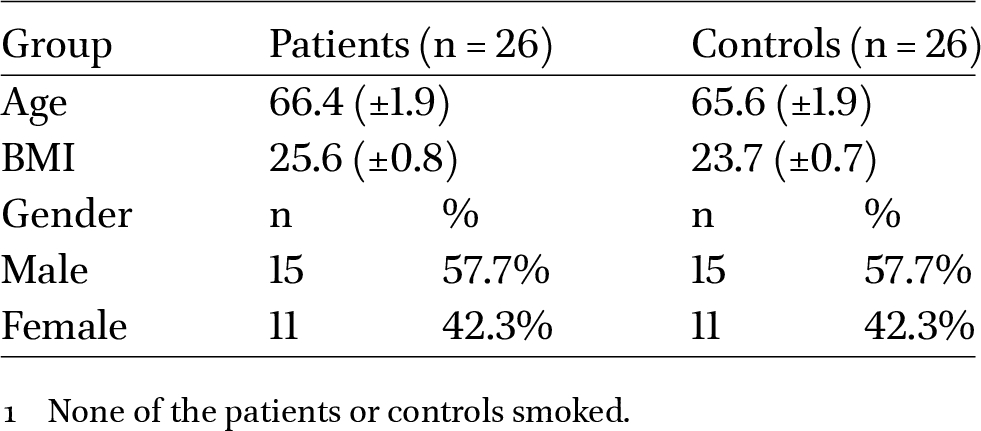
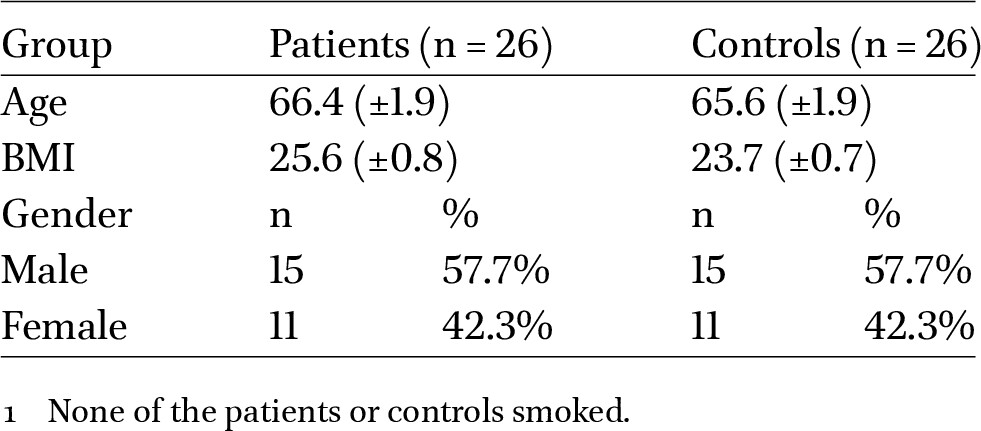
A total of 52 subjects were recruited for the study, comprising 26 patients with PD and 26 healthy controls. PD patients were recruited from the neurology department at Ghent University Hospital and had PD as their sole neurological diagnosis. Healthy controls had no diagnosed neurological diseases or comorbidities and were not related to the patients. Participation was limited to one individual per household. Furthermore, individuals with severe liver, bile duct, or kidney disease were excluded from participation given the potential for metabolic interference with the studyâs mycotoxin analysis. The demographic characteristics of the patient and control groups including data on age, body mass index (BMI) and gender distribution are reported in Table 1.

Demographic characteristics of the patient and control groups including data on mean (standard deviation) age, body mass index (BMI) and percentage (%) gender distribution1
Citation: World Mycotoxin Journal 19, 2 (2026) ; 10.1163/18750796-bja10031
Plasma collection
Blood samples were collected into 10 ml EDTA-coated Vacutainer tubes (Supplementary Materials: Appendix 1). Plasma was separated by centrifugation at
Food frequency questionnaire
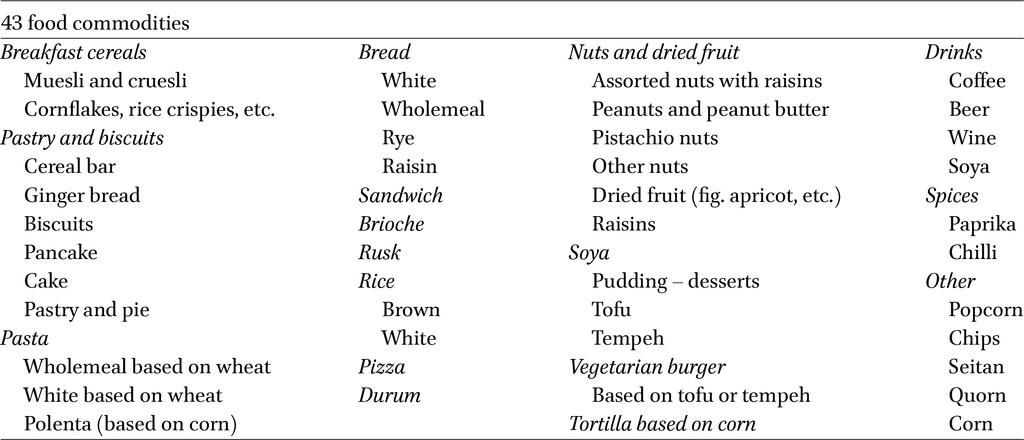
A previously developed food frequency questionnaire (FFQ) containing 43 food items suspected to be contaminated with mycotoxins and commonly consumed in Belgium (Table 2), was administered to each of the applicants (Heyndrickx et al., 2014). Participants were also asked to provide information on their medical history, recent medication use, and socio-demographic data. Furthermore, smoking habits were documented, as evidence from epidemiological studies suggests an association between cigarette smoking and a lower risk of Parkinsonâs disease (Saitoh and Mizusawa, 2022) â although none of the participants within this study smoked. The consumption frequency of specific food items was reported within the following categories: never, 1-3 days per month, once a week, 2-4 days per week, 5-6 days per week, or daily. The quantities consumed were recorded using common household measurements such as glasses, cups, spoons, slices, and similar units.
Food frequency questionnaire previously developed by Heyndrickx et al. (2014) containing 43 food items suspected to be contaminated with mycotoxins and commonly consumed in Belgium
Citation: World Mycotoxin Journal 19, 2 (2026) ; 10.1163/18750796-bja10031
Chemicals and reagents
The chemicals used for the chromatographic mobile phases and injection solvents consisted of UPLC-MS-grade acetic acid (AA), LC-MS-graded absolute methanol (MeOH) and acetonitrile (ACN) all obtained from Biosolve (Dieuze, France). Ultrapure (UP) water was obtained from the Arium® Pro purification system from Sartorius (Göttingen, Germany) and analytical grade ammonium acetate and formic acid (FA) were procured by Merck (Darmstadt, Germany).
A total of 40 mycotoxins were included within this study. Analytical standards for aflatoxin B1 (AFB1), aflatoxin B2 (AFB2), aflatoxin G1 (AFG1), aflatoxin M1 (AFM1), fumonisin B1 (FB1), fumonisin B2 (FB2), fumonisin B3 (FB3), hydrolyzed fumonisin B1 (HFB1), deoxynivalenol (DON), 3-acetyl deoxynivalenol (3-ADON), 15-acetyl deoxynivalenol (15-ADON), neosolaniol (NEO), diacetoxyscirpenol (DAS), STER, enniatin B (ENNB), enniatin B1 (ENNB1), cyclopiazonic acid (CPA), roquefortine C (ROQ-C), zearalanone (ZAN), beauvericin (BEAU), enniatin A (ENNA), and enniatin A1 (ENNA1) were obtained from Fermentek (Jerusalem, Israel).
Standards for ochratoxin A (OTA), ochratoxin alpha (OTAlpha), deoxynivalenol-3-glucoside (DON-3G), de-epoxy deoxynivalenol (DOM), T-2 toxin (T2), and fusarenon-X (FUS-X) were sourced from Food Risk Management B.V. (Oostvoorne, the Netherlands). Additionally, standards for zearalenone (ZEN), alpha-zearalenol (Alpha-ZEL), beta-zearalenol (Beta-ZEL), nivalenol (NIV), HT-2 toxin (HT2), citrinin (CIT), alternariol methylether (AME), alternariol (AOH), alpha-zearalanol (Alpha-ZAL), tenuazonic acid (TeA) and beta-zearalanol (Beta-ZAL) were acquired from Sigma-Aldrich (Overijse, Belgium). The AFB1-albumin quality control, enzymatically cleaved by pronase E to release AFB1-lysine, was supplied by the Centers for Disease Control and Prevention (CDC, Atlanta, USA).
The isotopically labelled internal standards 13C-TeA, 13C-T-2, 13C-HT-2, 13C-DON, 13C-FB1, 13C-CIT, 13C-ZEN, 13C-OTA, 13C-AFB1, 13C-AFM1 were procured by Food Risk Management B.V. Blank EDTA plasma was purchased from the Red Cross East Flanders (Ghent, Belgium) and used to prepare matrix-matched calibration curves and quality control samples. Upon receipt, the EDTA plasma was pooled and analysed for the presence of mycotoxins by UHPLC-MS/MS to ensure that the samples were truly blank.
Sample preparation
Plasma sample preparation and analysis of all mycotoxins except for AFB1-lysine was performed according to a previously published method using matrix-matched calibration curves (0.25-50 ng/ml) (Mulisa et al., 2025). Briefly, samples were thawed and vortexed for 10 s, and 150 μl of each sample was transferred to Eppendorf tubes to add 10 μl of the internal standards working solution at 0.25 ng/ml. Next, 140 μl of ACN was added to induce protein precipitation and samples were vortexed for 2 min followed by centrifugation at
Due to the limited availability of standards, a qualitative analysis of AFB1-lysine was performed by comparison with a 0.5 ng/ml AFB1-albumin quality control (QC) sample, following the method (Phillips et al., 2024). Briefly, all samples were thawed and vortexed for 10 s, and 150 μl of each sample was transferred to Eppendorf tubes to add 10 μl of the internal standards working solution at 0.25 ng/ml, and 0.5 mg/ml pronase E, to be incubated overnight at 37 °C in a thermoshaker operating at 300 rpm (Biosan, TS-100, Riga, Latvia). Solid-phase extraction (SPE) was performed using Oasis MAX cartridges (Waters, Milford, MA, USA) on a vacuum manifold. Cartridges were pre-conditioned with 1 ml MeOH and equilibrated with 1 ml UP water. A 500 μl sample aliquot was loaded, followed by washing with 1 ml UP water, 1 ml 70% MeOH, 1 ml alkaline MeOH (198/2 MeOH/25% ammonia), and 400 μl pure MeOH. Elution was done with 1.6 ml acidic MeOH (196/4 MeOH/FA). Cartridges were dried under vacuum. Eluates were dried under nitrogen at 40 °C (TurboVap, Biotage, Sweden) and reconstituted in 150 μl of injection solvent consisting of 94% UP water, 5% ACN, and 1% AA (v/v/v). The mixture was vortexed (5 s), ultrasonicated (15 min), and centrifuged (
UHPLC-MS/MS analysis
Instrumental set-up was based on the method described by Mulisa et al. (2025) for multiple mycotoxins and Philips et al. (2024) for AFB1-lysine. Briefly, The UHPLC/MS-MS analysis was performed on a Waters ACQUITY UPLC I-Class system, connected to a Xevo TQ-XS tandem quadrupole mass spectrometer (Waters, Manchester, UK) with an electrospray ionization (ESI) source. Detection was performed using multiple reaction monitoring (MRM) in both ESI+ and ESIâ ionization modes. Chromatographic separation was carried out on an ACQUITY UPLC HSS T3 analytical column (1.8 μm particle size, 2.1 mm id à 100.0 mm) from with an ACQUITY UPLC HSS T3 VanGuard pre-column (1.8 μm, 2.1 mm id à 5 mm; Waters, Manchester, UK). Parent and transition ions have been described previously (Martins et al., 2020, 2019; Phillips et al., 2024).
Statistical analysis and data handling
All statistical analyses were performed using SPSS version 29.0.2.0 (IBM Corp., Armonk, NY, USA). A data cleaning process was undertaken to ensure quality and consistency. Normality of continuous variables was assessed using the Shapiro-Wilk test. As the variables did not follow a normal distribution, the non-parametric Mann-Whitney U test was used to compare mycotoxin concentrations and co-exposure levels between PD patients and healthy controls, as well as to assess differences in food intake between the two groups. Correlation analyses between different food patterns and mycotoxin levels, as well as between the consumption of different food products, were performed using Spearmanâs rank correlation test. A correlation coefficient ranging from 0 to 0.3 (or 0 to â0.3) indicated a weak positive (or negative) relationship. Values between 0.3 and 0.7 (or â0.3 and â0.7) suggested a weak to moderate positive (or negative) relationship, while values between 0.7 and 1.0 (or â0.7 and â1.0) reflected a strong positive (or negative) relationship. All statistical test used a
Detection rates and concentration ranges of CIT, OTA, EnnB, TeA, and CPA across the total population, control, and patient groups1
Citation: World Mycotoxin Journal 19, 2 (2026) ; 10.1163/18750796-bja10031
3 Results
Mycotoxin exposure
Among the 39 mycotoxin biomarkers that were targeted, only CIT (Cmean = 0.18 ng/ml), OTA (Cmean = 0.029 ng/ml), EnnB (Cmean = 0.0017 ng/ml), TeA (Cmean = 0.95 ng/ml) and CPA (Cmean = 0.092 ng/ml) were detected in multiple samples (Table 3). No statistically significant differences were observed in the proportion of positive samples between patients and controls for any of these mycotoxins (CIT: X2 = 0.391,
Correlation of food pattern and mycotoxin levels
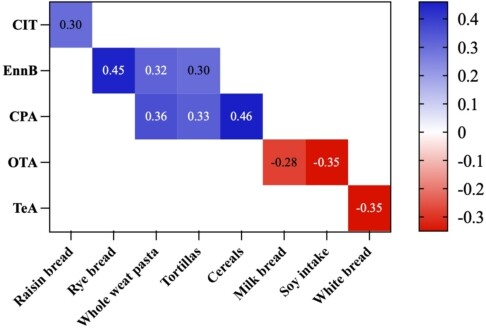
Figure 1 illustrates the correlation analysis between food patterns and mycotoxin levels. Weak to moderate positive correlations were found between raisin bread consumption and CIT concentrations (r = 0.305,
Heatmap illustrating the significant correlations (
Citation: World Mycotoxin Journal 19, 2 (2026) ; 10.1163/18750796-bja10031
Food patterns
The dietary patterns of the patient and control groups were largely comparable, with notable differences identified for specific food items. Patients consumed significantly more cake (ZÂ = â2.406,
Heatmap illustrating the correlations between the intake of various food items, calculated using the Spearmanâs rank correlation test. The strength and direction of each correlation are represented by the colours in the heatmap, and specific correlation coefficients are reported within the square with the P-values below.
Citation: World Mycotoxin Journal 19, 2 (2026) ; 10.1163/18750796-bja10031
4 Discussion
Summary of key findings
This cross-sectional pilot study provides the first investigation of multi-mycotoxin exposure in patients with Parkinsonâs disease (PD) that integrates biomarker analysis with detailed dietary assessment, and the first in this context to include AFB1-lysine as a long-term exposure marker. Growing evidence suggests that fungal metabolites, alongside established neurotoxic environmental pollutants such as pesticides and solvents, may contribute to neurodegenerative processes (GarcıÌa-Esparza et al., 2025; Serrano-Civantos et al., 2025). Building on the work of Arce-LoÌpez et al. (2021), who previously demonstrated OTA exposure in plasma from patients with Alzheimerâs disease and PD, the present study expands biomonitoring efforts by including additional mycotoxins and by linking exposure profiles with detailed dietary information specifically in a PD context. Five mycotoxins were commonly detected in plasma, namely CIT, OTA, EnnB, TeA and CPA, with OTA showing the highest prevalence. Given that all except OTA are rapidly eliminated, the plasma measurements primarily reflect recent dietary intake rather than cumulative exposure. Therefore, AFB1-lysine, a biomarker with a longer biological half-life (60-90 days) (Mupunga et al., 2017), was included to assess long-term aflatoxin exposure, although it was only detected in a single PD sample days. Significant correlations between dietary intake and plasma mycotoxin levels indicate that food consumption patterns are relevant determinants of exposure, and differences between PD patients and controls suggest that disease-related nutritional preferences may further modulate exposure profiles.
Comparison with previous studies
The frequency of OTA detection, as well as the concentration of CIT observed in this study was lower than that reported in several previous biomonitoring studies, including those conducted among healthy adults in Bangladesh and adults with kidney cancer (Czech Republic) or colorectal cancer (Tunisia) (Ali et al., 2018; Malir et al., 2019; Ouhibi et al., 2020). This discrepancy may reflect geographic differences in diet, analytical sensitivity, or interindividual variability in metabolism and clearance rates. TeA levels were comparable to earlier human biomonitoring data of healthy adults in Belgium â being consistent with its short plasma half-life and dependence on recent intake (Visintin et al., 2025). CPA and EnnB were detected only occasionally and at low concentrations in this study, which appears lower than the detection frequencies reported in previous biomonitoring studies among patients with PD in Germany and infertile men in China (Fink et al., 2025b; Ning et al., 2024). The low detection frequencies and concentrations observed, including the rare occurrence of long-term biomarkers, may indicate that EU food safety regulations effectively limit dietary mycotoxin exposure, demonstrating that null findings can also provide meaningful public health insights.
Interpretation and implications
The specific mycotoxins detected in this study have been mechanistically linked to cellular processes that are also central to PD pathophysiology. For example, OTA has been linked to mitochondrial dysfunction, impaired proteostasis, and the degeneration of dopaminergic DA neurons (Serrano-Civantos et al., 2025b). Similarly, EnnB can disrupt cellular ion homeostasis and mitochondrial membrane potential, contributing to neuronal energy imbalance and apoptosis (Prosperini et al., 2017). These mechanisms overlap with key pathological pathways implicated in PD. Our study identified significant correlations (P-values < 0.05) between food consumption patterns and plasma mycotoxin levels, highlighting potential dietary influences on mycotoxin exposure. For example, raisin bread consumption showed a positive association with CIT, which is consistent with its known presence in cereal-based products and dried fruits (Kamle et al., 2022). Negative correlations between OTA and the intake of milk bread and soy products, and between TeA and white bread, may reflect lower consumption of OTA- and TeA-contaminated cereal products (Masiello et al., 2020; Zhang et al., 2025). Associations involving CPA and EnnB with whole wheat pasta, tortillas and rye bread align with their known occurrence in cereal-based products (Gallardo et al., 2023), although the very low frequency and concentrations of CPA and EnnB indicate that these findings should be interpreted with caution. The minimal detection of AFB1-lysine suggests very limited long-term aflatoxin exposure in this population, likely influenced by strict EU food safety regulations and low intake of high-risk commodities such as imported maize, nuts and dried fruits.
Differences in dietary patterns between PD patients and controls may be influenced by disease-related symptoms such as dysphagia and hyposmia, which are known to affect food texture preference and flavour perception (Cassani et al., 2017; Cecchini et al., 2014). These dietary contrasts, together with observed clusters reflecting broader lifestyle choices, suggest that nutritional behaviour may shape individual exposure patterns. Niche dietary practices, such as the combined consumption of corn and seitan, further indicate specific and consistent food choices in certain individuals. In general, healthier food items such as nuts tended to be negatively correlated with more indulgent choices such as pizza, illustrating diverse dietary profiles within the study population. However, several foods showing significant group differences were only infrequently consumed, which may limit the broader applicability of these findings.
Limitations
This study has several limitations that should be acknowledged. First, the modest sample size (n = 52) and cross-sectional design limit both statistical power and the ability to infer causality. In addition, single-matrix sampling at a single time point restricts the assessment of temporal variability and may not capture fluctuations in exposure levels. The rapid clearance of polar mycotoxins such as DON and FBs could also have contributed to undetectable plasma concentrations (Arce-LoÌpez et al., 2020; Turner and Snyder, 2021). No formal power calculations were performed, and dietary data are subject to recall bias. Although BMI was recorded, it was not statistically controlled for in the analyses. Moreover, recruitment from a single geographic region (Belgium) may limit the generalisability of the findings to populations with different dietary habits or contamination profiles. Finally, no correction for multiple comparisons was applied, as the analyses were exploratory in nature; therefore, the possibility of false positive associations cannot be ruled out, and results should be interpreted with appropriate caution (Arce-LoÌpez et al., 2020; Turner and Snyder, 2021).
Future directions
To better understand the potential contribution of mycotoxins to PD development and progression, future research should include larger and more diverse study populations, ideally within longitudinal cohort designs that allow repeated exposure assessments across time. Such approaches are essential to capture chronic exposure patterns and to evaluate their interaction with other environmental factors relevant to neurodegeneration. (Schrenk et al., 2020). In addition, mechanistic studies investigating pathways such as mitochondrial dysfunction, oxidative stress and protein aggregation are needed to clarify whether and how mycotoxins may influence PD pathophysiology.
5 Conclusions
In conclusion, plasma mycotoxin levels did not differ significantly between PD patients and healthy controls, although specific dietary habits were associated with variation in individual exposures. The short half-life of most mycotoxins limits plasma biomarkers to very recent intake, constraining inferences regarding long-term exposure relevant to PD. Future studies should employ longitudinal designs with repeated biomonitoring and detailed dietary assessment to evaluate cumulative mycotoxin exposure in relation to neurodegenerative disease risk.
Authorsâ contribution
E. Van Impe & A. Vermeire: Conceptualization, Data curation, Formal analysis, Visualization, Investigation, Writing â original draft. Y. Bader: Formal analysis, Data-analysis, Writing â review & editing. N.N. Truong: Data-analysis, Writing â review & editing. S. De Saeger: Supervision, Writing â Review & editing, Project administration. P. Santens: Conceptualization, Validation, Supervision, Writing â Review & editing, Project administration. T. Goessens: Writing â review & editing, Visualization, Methodology, Validation, Supervision, Investigation, Project administration, Conceptualization. M. De Boevre: Conceptualization, Validation, Supervision, Writing â Review & editing, Project administration, Funding acquisition.
Conflict of interest
The authors declare no conflict of interest.
Funding
This research has been funded by the Research Foundation â Flanders (FWO, 1204324N), and the European Research Council (ERC) (HUMYCO, No 946192).
References
Ali, N., Blaszkewicz, M., Manirujjaman, M., Perveen, R., Al Nahid, A., Mahmood, S., Rahman, M., Hossain, K. and Degen, G.H., 2014. Biomonitoring of ochratoxin A in blood plasma and exposure assessment of adult students in Bangladesh. Molecular Nutrition and Food Research 58: 2219-2225. https://doi.org/10.1002/mnfr.201400403
Ali, N., Hossain, K. and Degen, G.H., 2018. Blood plasma biomarkers of citrinin and ochratoxin A exposure in young adults in Bangladesh. Mycotoxin Research 34: 59-67. https://doi.org/10.1007/s12550-017-0299-5
Arce-LoÌpez, B., Alvarez-Erviti, L., De Santis, B., Izco, M., LoÌpez-Calvo, S., Marzo-Sola, M.E., Debegnach, F., Lizarraga, E., de Cerain, A.L., GonzaÌlez-PenÌas, E. and Vettorazzi, A., 2021. Biomonitoring of mycotoxins in plasma of patients with Alzheimerâs and Parkinsonâs disease. Toxins 13: 477. https://doi.org/10.3390/toxins13070477
Arce-LoÌpez, B., Lizarraga, E., Vettorazzi, A. and GonzaÌlez-PenÌas, E., 2020. Human biomonitoring of mycotoxins in blood, plasma and serum in recent years: A review. Toxins 12: 147. https://doi.org/10.3390/toxins12030147
Ascherio, A. and Schwarzschild, M.A., 2016. The epidemiology of Parkinsonâs disease: risk factors and prevention. The Lancet Neurology 15: 1257-1272. https://doi.org/10.1016/S1474-4422(16)30230-7
Ball, N., Teo, W.P., Chandra, S. and Chapman, J., 2019. Parkinsonâs disease and the environment. Frontiers in Neurology 10: 218. https://doi.org/10.3389/fneur.2019.00218
Cassani, E., Barichella, M., Ferri, V., Pinelli, G., Iorio, L., Bolliri, C., Caronni, S., Faierman, S.A., Mottolese, A., Pusani, C., Monajemi, F., Pasqua, M., Lubisco, A., Cereda, E., Frazzitta, G., Petroni, M.L. and Pezzoli, G., 2017. Dietary habits in Parkinsonâs disease: Adherence to Mediterranean diet. Parkinsonism and Related Disorders 42: 40-46. https://doi.org/10.1016/j.parkreldis.2017.06.007
Cecchini, M.P., Osculati, F., Ottaviani, S., Boschi, F., Fasano, A. and Tinazzi, M., 2014. Taste performance in Parkinsonâs disease. Journal of Neural Transmission 121: 119-122. https://doi.org/10.1007/s00702-013-1089-7
De Boevre, M., Jacxsens, L., Lachat, C., Eeckhout, M., Di Mavungu, J.D., Audenaert, K., Maene, P., Haesaert, G., Kolsteren, P., De Meulenaer, B. and De Saeger, S., 2013. Human exposure to mycotoxins and their masked forms through cereal-based foods in Belgium. Toxicology Letters 218: 281-292. https://doi.org/10.1016/j.toxlet.2013.02.016
Dorsey, E.R. and Bloem, B.R., 2024. Parkinsonâs Disease is predominantly an environmental disease. Journal of Parkinsonâs Disease 14: 451-465. https://doi.org/10.3233/JPD-230357
Fink, A., Pavlou, M.A.S., Roomp, K. and Schneider, J.G., 2025a. Declining trends in the incidence of Parkinsonâs disease: A cohort study in Germany. Supplementary files. Journal of Parkinsonâs Disease 15: 182-188. https://doi.org/10.1177/1877718X241306132/SUPPL_FILE/SJ-DOCX-1-PKN-10.1177_1877718X241306132.DOCX
Fink, A., Pavlou, M.A.S., Roomp, K. and Schneider, J.G., 2025b. Declining trends in the incidence of Parkinsonâs disease: A cohort study in Germany. Journal of Parkinsonâs Disease 15: 182-188. https://doi.org/10.1177/1877718X241306132
Gallardo, J.A., MarıÌn, S., Ramos, A.J., Cano-Sancho, G. and Sanchis, V., 2023. Occurrence and dietary exposure assessment to enniatin B through consumption of cereal-based products in Spain and the Catalonia region. Toxins 15: 24. https://doi.org/10.3390/toxins15010024
GarcıÌa-Esparza, M.AÌ., Mateo, E.M., Robles, J.A., Capoferri, M., JimeÌnez, M. and Soria, J.M., 2025. Unveiling the neurotoxic effects of ochratoxin A and its impact on neuroinflammation. Toxins 17: 264. https://doi.org/10.3390/TOXINS17060264
Goldman, S.M., 2014. Environmental toxins and Parkinsonâs disease. Annual Review of Pharmacology and Toxicology 54: 141-164. https://doi.org/10.1146/annurev-pharmtox-011613-135937
Hayes, M.T., 2019. Parkinsonâs Disease and Parkinsonism. American Journal of Medicine 132: 802-807. https://doi.org/10.1016/j.amjmed.2019.03.001
Heyndrickx, E., Sioen, I., Bellemans, M., De Maeyer, M., Callebaut, A., De Henauw, S. and De Saeger, S., 2014. Assessment of mycotoxin exposure in the Belgian population using biomarkers: Aim, design and methods of the BIOMYCO study. Food Additives and Contaminants Part A 31: 924-931. https://doi.org/10.1080/19440049.2014.900192
Izco, M., Vettorazzi, A., Forcen, R., Blesa, J., de Toro, M., Alvarez-Herrera, N., Cooper, J.M., Gonzalez-PenÌas, E., Lopez de Cerain, A. and Alvarez-Erviti, L., 2021. Oral subchronic exposure to the mycotoxin ochratoxin A induces key pathological features of Parkinsonâs disease in mice six months after the end of the treatment. Food and Chemical Toxicology 152: 112164. https://doi.org/10.1016/j.fct.2021.112164
Jonard, C., Chandelier, A., Eylenbosch, D., Pannecoucque, J., Godin, B., Douny, C., Scippo, M.L. and Gofflot, S., 2025. Multi-mycotoxin analyses by UPLC-MS/MS in wheat: the situation in Belgium in 2023 and 2024. Foods 14: 2300. https://doi.org/10.3390/foods14132300
Kamle, M., Mahato, D.K., Gupta, A., Pandhi, S., Sharma, N., Sharma, B., Mishra, S., Arora, S., Selvakumar, R., Saurabh, V., Dhakane-Lad, J., Kumar, M., Barua, S., Kumar, A., Gamlath, S. and Kumar, P., 2022. Citrinin mycotoxin contamination in food and feed: impact on agriculture, human health and detection and management strategies. Toxins 14: 85. https://doi.org/10.3390/toxins14020085
Malir, F., Louda, M., Ostry, V., Toman, J., Ali, N., Grosse, Y., Malirova, E., Pacovsky, J., Pickova, D., Brodak, M., Pfohl-Leszkowicz, A. and Degen, G.H., 2019. Analyses of biomarkers of exposure to nephrotoxic mycotoxins in a cohort of patients with renal tumours. Mycotoxin Research 35: 391-403. https://doi.org/10.1007/s12550-019-00365-9
Martins, C., Vidal, A., De Boevre, M., De Saeger, S., Nunes, C., Torres, D., Goios, A., Lopes, C., Alvito, P. and AssunçaÌo, R., 2020. Burden of disease associated with dietary exposure to carcinogenic aflatoxins in Portugal using human biomonitoring approach. Food Research International 134: 109210. https://doi.org/10.1016/j.foodres.2020.109210
Martins, C., Vidal, A., De Boevre, M., De Saeger, S., Nunes, C., Torres, D., Goios, A., Lopes, C., AssunçaÌo, R. and Alvito, P., 2019. Exposure assessment of Portuguese population to multiple mycotoxins: The human biomonitoring approach. International Journal of Hygiene and Environmental Health 222: 913-925. https://doi.org/10.1016/j.ijheh.2019.06.010
Masiello, M., Somma, S., Susca, A., Ghionna, V., Logrieco, A.F., Franzoni, M., Ravaglia, S., Meca, G. and Moretti, A., 2020. Molecular identification and mycotoxin production by Alternaria species occurring on durum wheat, showing black point symptoms. Toxins 12: 275. https://doi.org/10.3390/toxins12040275
Mulisa, G., Pero-Gascon, R., McCormack, V., Bisanz, J.E., Talukdar, F.R., Abebe, T., De Boevre, M. and De Saeger, S., 2025. Multiple mycotoxin exposure assessment through human biomonitoring in an esophageal cancer case-control study in the Arsi-Bale districts of Oromia region of Ethiopia. International Journal of Hygiene and Environmental Health 263: 114466. https://doi.org/10.1016/j.ijheh.2024.114466
Mupunga, I., Izaaks, C.D., Shai, L.J. and Katerere, D.R., 2017. Aflatoxin biomarkers in hair may facilitate long-term exposure studies. Journal of Applied Toxicology 37: 395-399. https://doi.org/10.1002/JAT.3422
Nandipati, S. and Litvan, I., 2016. Environmental exposures and Parkinsonâs disease. International Journal of Environmental Research and Public Health 13: 881 https://doi.org/10.3390/ijerph13090881
Ning, X., Wang, L., Wang, J.S., Ji, J., Jin, S., Sun, J., Ye, Y., Mei, S., Zhang, Y., Cao, J. and Sun, X., 2024. High-coverage UHPLC-MS/MS analysis of 67 mycotoxins in plasma for male infertility exposure studies. Toxics 12: 395. https://doi.org/10.3390/toxics12060395
Ouhibi, S., Vidal, A., Martins, C., Gali, R., Hedhili, A., De Saeger, S. and De Boevre, M., 2020. LC-MS/MS methodology for simultaneous determination of patulin and citrinin in urine and plasma applied to a pilot study in colorectal cancer patients. Food and Chemical Toxicology 136: 110994. https://doi.org/10.1016/j.fct.2019.110994
Phillips, E., Ngure, F.M., Kassim, N., Turner, P.C., Makule, E., Smith, L.E., Makori, N., Cramer, B., Humpf, H.-U., Nelson, R.J. and Stoltzfus, R.J., 2024. The effect of an intervention to reduce aflatoxin consumption from 6 to 18 mo of age on length-for-age z-scores in rural Tanzania: a cluster-randomized trial. American Journal of Clinical Nutrition 121: 333-342. https://doi.org/10.1016/j.ajcnut.2024.11.022
Pitt, J.I. and Miller, J.D., 2017. A concise history of mycotoxin research. Journal of Agricultural and Food Chemistry 65: 7021-7033. https://doi.org/10.1021/acs.jafc.6b04494
Pleadin, J., Frece, J. and Markov, K., 2019. Mycotoxins in food and feed. Advances in Food and Nutrition Research 89: 297-345. https://doi.org/10.1016/BS.AFNR.2019.02.007
Reich, S.G. and Savitt, J.M., 2019. Parkinsonâs Disease. Medical Clinics of North America 103: 337-350. https://doi.org/10.1016/j.mcna.2018.10.014
Saitoh, Y. and Mizusawa, H., 2022. Current evidence for the association between air pollution and Parkinsonâs disease. Annals of Indian Academy of Neurology 25: S41-S46. https://doi.org/10.4103/aian.aian_62_22
Schrenk, D., Bignami, M., Bodin, L., Chipman, J.K., del Mazo, J., Grasl-Kraupp, B., Hogstrand, C., Hoogenboom, L., Leblanc, J.C., Nebbia, C.S., Nielsen, E., Ntzani, E., Petersen, A., Sand, S., Schwerdtle, T., Vleminckx, C., Marko, D., Oswald, I.P., Piersma, A., Routledge, M., Schlatter, J., Baert, K., Gergelova, P. and Wallace, H., 2020. Risk assessment of aflatoxins in food. EFSA Journal 18: e06040. https://doi.org/10.2903/J.EFSA.2020.6040;PAGE:STRING:ARTICLE/CHAPTER
Serrano-Civantos, M., Beraza, E., AÌlvarez-Erviti, L., de Cerain, A.L. and Vettorazzi, A., 2025. Potential role of ochratoxin A in Parkinsonâs disease: a systematic review of current evidence. Archives of Toxicology 99: 1769. https://doi.org/10.1007/S00204-025-03994-5
Sforza, S., DallâAsta, C. and Marchelli, R., 2006. Recent advances in mycotoxin determination in food and feed by hyphenated chromatographic techniques/mass spectrometry. Mass Spectrometry Reviews 25: 54-76. https://doi.org/10.1002/mas.20052
Turner, P.C. and Snyder, J.A., 2021. Development and limitations of exposure biomarkers to dietary contaminants mycotoxins. Toxins 13: 314. https://doi.org/10.3390/toxins13050314
Tysnes, O.B. and Storstein, A., 2017. Epidemiology of Parkinsonâs disease. Journal of Neural Transmission 124: 901-905. https://doi.org/10.1007/s00702-017-1686-y
Van der Mark, M., Brouwer, M., Kromhout, H., Nijssen, P., Huss, A. and Vermeulen, R., 2012. Is pesticide use related to Parkinson disease? Some clues to heterogeneity in study results. Environmental Health Perspectives 120: 340-347. https://doi.org/10.1289/ehp.1103881
Visintin, L., Lu, E.H., Lin, H.C., Bader, Y., Nguyen, T.N., Michailidis, T.M., De Saeger, S., Chiu, W.A. and De Boevre, M., 2025. Derivation of human toxicokinetic parameters and internal threshold of toxicological concern for tenuazonic acid through a human intervention trial and hierarchical Bayesian population modeling. Journal of Exposure Science and Environmental Epidemiology 35: 632-643. https://doi.org/10.1038/S41370-025-00746-6;KWRD=MEDICINE
Zhang, Y., Liu, C. and Van der Fels-Klerx, H.J., 2025. Occurrence, toxicity, dietary exposure and management of Alternaria mycotoxins in food and feed: A systematic literature review. Comprehensive Reviews in Food Science and Food Safety 24: e70085. https://doi.org/10.1111/1541-4337.70085